Noam Chomsky is an eminent American theoretical linguist, cognitive scientist and philosopher, who radically changed the arena of linguistics by assuming language as a uniquely human, biologically based cognitive capacity. He suggested that innate traits in the human brain give birth to both language and grammar. The most important figure in “cognitive revolution” and “analytic philosophy”, Chomsky’s wide-ranging influence also extends to computer science and mathematics.
Wednesday, 22 June 2016
Noam Chomsky - On Being Truly Educated
https://www.youtube.com/watch?v=eYHQcXVp4F4
Noam Chomsky is an eminent American theoretical linguist, cognitive scientist and philosopher, who radically changed the arena of linguistics by assuming language as a uniquely human, biologically based cognitive capacity. He suggested that innate traits in the human brain give birth to both language and grammar. The most important figure in “cognitive revolution” and “analytic philosophy”, Chomsky’s wide-ranging influence also extends to computer science and mathematics.
Wednesday, 15 June 2016
Monday, 6 June 2016
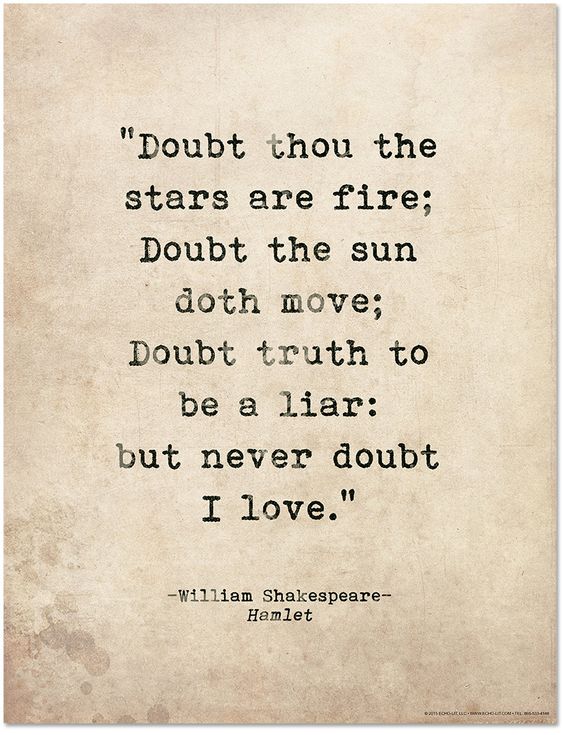
Shakespeare in Love
Here
are some inspirational love quotes that
delve
into the only way love can be truly experienced
– by loving ....
William Shakespeare
Thursday, 2 June 2016
Things We Say Today And Owe To Shakespeare
These are just a handful of well-used sayings that come courtesy of Shakespeare
"Knock knock! Who's there?" - Macbeth
Wednesday, 25 May 2016
Pedagogical Task
Reflect Select one pedagogical task and elaborate it in terms of macrofunctions, microfunctions and grammatical exponents. This time incorporate some technology into it. Think of all the technology that surrounds us, that is part of the lives of our students, and try to make the task related to that in some way.
Tasks
|
Macrofunctions
|
Microfunctions
|
Grammar
|
You are planning a party and you want to invite
all your friends. Create a Facebook event and add all of them to it. Then
write a wall post about your favourite cupcake flavours and ask your guests
their cupcake preferences –chocolate, strawberry, vanilla– based on brochures
from local bakeries.
|
Socializing
|
Exchanging personal information
|
Simple present
Likes /
Dislikes
Yes / no questions
|
Thursday, 19 May 2016
Why Brits just love a cuppa
Britain enjoys an intimate love affair with tea – just look at the facts. On average they each drink 3½ cups of tea a day, or 130,000 tonnes in a year, 96 percent of which are from tea bags. As a nation they drink 165 million cups per day or 62 billion cups per year; 70 per cent of the population (over the age of 10) drank tea yesterday; over 25 per cent of all the milk consumed in the UK goes in their cups of tea.
But why do British people like to drink tea?
There are very few situations where making a cup of tea
is an inappropriate response:
Emotional breakdown? Tea.
Life-changing celebration? Calls for a cup of tea.
World-threatening emergency? Tea.
They even tend to make some when they don't know what
to do next.
For Brits, the question is why everyone else
doesn't drink more tea.
Monday, 9 May 2016
Welcome to the English Bond!
Hello Everybody! We are Marina
and Cintia and we are students at the English teacher training college at
I.S.F.D y T N° 55 in Escobar, Buenos Aires, Argentina. The purpose
of our blog is to share anything related to English that may be of interest for
people who love English! Welcome aboard!
Subscribe to:
Posts (Atom)